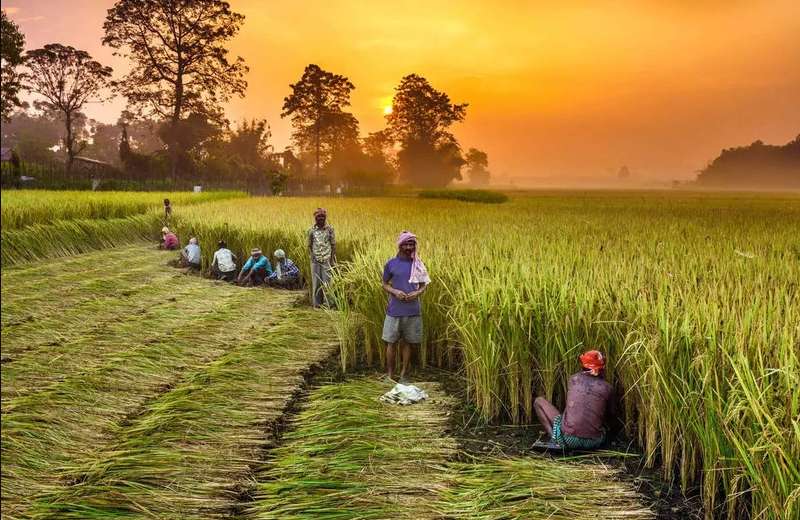
The agriculture employs around 58% of the population contributing significantly to the Indian economy and accounting for 13% of total exports from the country. India continues to be a major supplier in the global food basket, as it is the world’s leading producer and consumer of milk, wheat, pulses, basmati rice, spices, oil, meat, sugar, cotton and castor oil.
While the COVID-19 pandemic was tough for many sectors of the Indian economy, agriculture and related operations displayed resilience. However as was the case with all other major sectors, the pandemic made it imperative for the agricultural industry to look at ways of leveraging tech innovations for sustenance and revival, especially in the case of small holder farms and Farmers Producers Organisations. In fact, recent reports from Ernest & Young, indicate that India’s agriculture technology sector has the potential to grow to $24.1 billion in the next five years.
As we gear up for the coming year, it is important to understand how digitalisation will be key to enable an Atmanirbhar agrarian economy and why creating connected agri value chains is an immediate priority for the nation.
The need to connect agri value chains
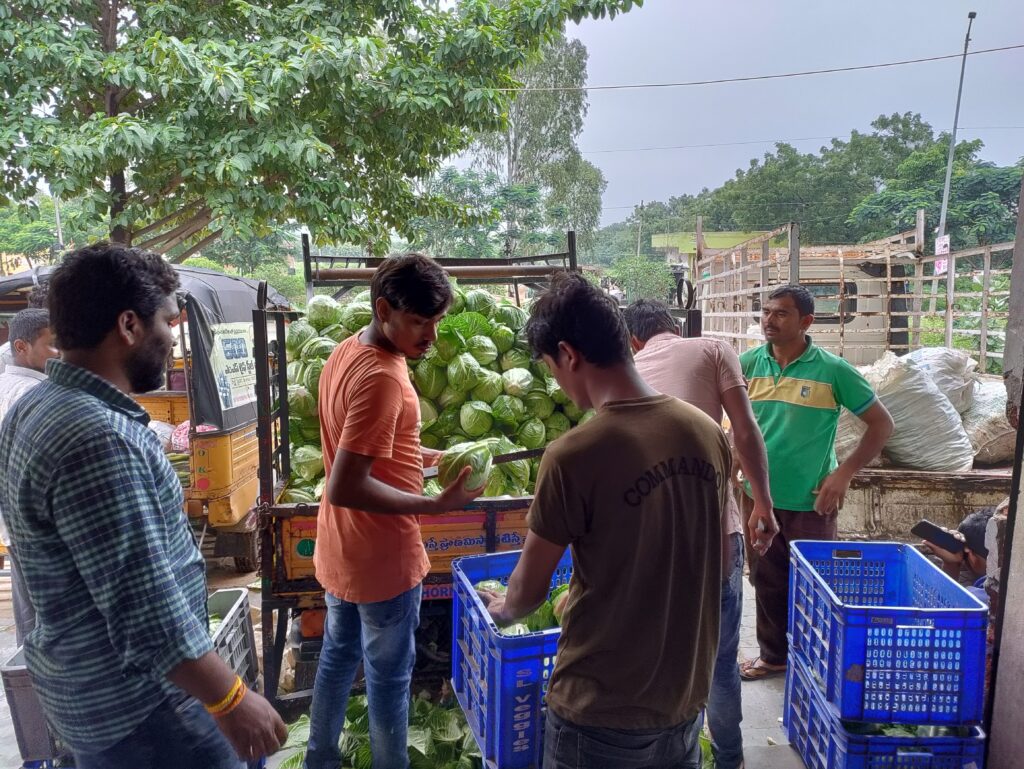
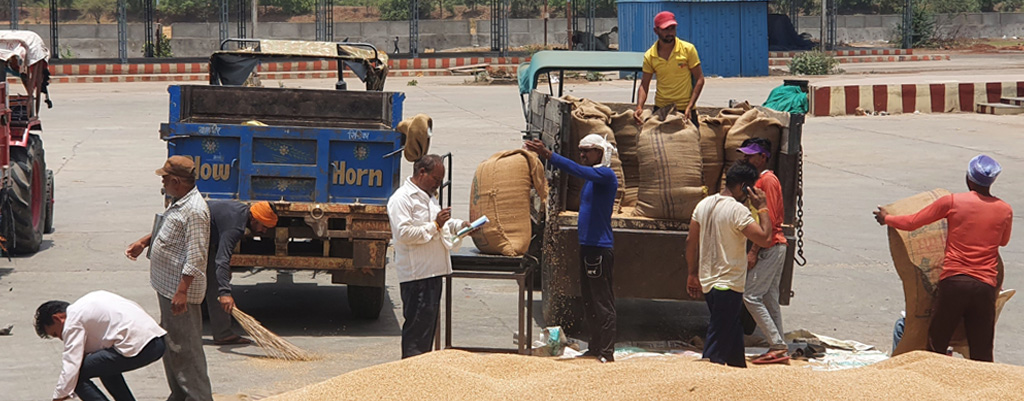
The biggest obstacle for any farmer-centric and farmer-driven company is first and last mile connectivity that requires a lot of time, management and money. Deficiencies in rural market economies, relative to far more advanced urban markets, are pushing the entry and transaction costs of service to the farmer. If the agri value chains get connected in a better way it can offer an incentive for members of the entire agri ecosystem and food supply chain to establish relationships with farmers during the crop cycle and dairy farming. Continued engagement with farmers leads to creation of multiple inputs and revenue streams for businesses. Indian agriculture needs to grow more robust on a systemic basis from the pandemic. The current condition can be leveraged to implement tailored measures against this aim.
This is the right time to build connectivity within the value chains. By driving investment and creativity in digital agriculture, India can shield the small and marginal farmers of the country from some of the worst consequences of the current crisis. Using digitalization as a tool to develop ‘connected agri value chains’ would need more efforts, creativity and strong alliances between the Centre and state governments, private players, farmers, as well as development of a regulatory framework, to ensure that technology stays affordable and available.
Challenges in making agri value chains digital
One of the biggest challenges in digitizing the agri value chain has been bringing stakeholders such as producers, merchants onto a shared platform to interact and engage with each other gainfully. While the digital infrastructure across the nation has improved in the recent years, limited internet access in remote villages still remains a challenge. Technological constraints including interconnectivity between applications and devices forces farmers to type a lot of the information manually. This can be especially cumbersome considering the detailed documentation sought from farmers due to tighter regulatory restrictions including agricultural, animal care and environmental legislation.
Though we have a long way to go, platforms such as Agri Elevate give the industry a push in this direction, thereby accelerating India’s journey to create an Atmanirbhar agricultural sector.
What the future will look like
Digital tools, such as precision tools, apps, artificial intelligence, that alert farmers to be pre-emptive about pest treatments can curb crop damage and save money, digital platforms providing market linkage and information flow would play an essential role in the success of farming activities. The pandemic has accelerated this trend even further.
Agriculture, which still witnesses cash transaction, is increasingly going digital, with major producers, dealers and distributors embracing digital payments through e-wallets and mobile applications.
Further, agricultural value chains include the distribution of goods, expertise and awareness between small farmers and customers, adding value at each point of the output and consumption process. They are a growth catalyst in the Indian agriculture sector, creating agri-entrepreneurs, thereby benefiting all stakeholders. However, since value chains vary considerably across regions and goods, more research is required to define the optimal configuration that enables farmers to achieve a greater share of their value while incurring fewer risks. In such a scenario, smallholders with a large social network will be able to build on their social capital to improve their role within the value chain.
The priority of a self-reliant India should be a self-reliant farming sector. Connecting all stakeholders within the agri value chain would be a step towards the goal of making India agriculturally self-reliant. Atmanirbhar Krishi is not just a word but a mantra for a bright future for India’s farmer community.
This article was first published in ET on Feb 13, 2021.
About the Author

Nitin Chaudhary, Head – Strategy and Innovations, Samunnati
With over 10 years of experience in financial services for low-income households, Nitin has worked with VISA, Micro Pension Foundation and IFMR.