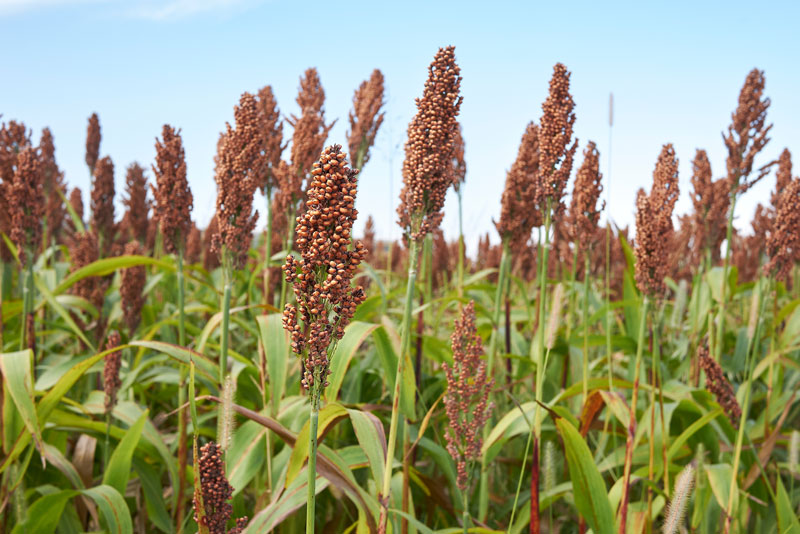
Millets are power-packed, nutrition-dense foods that are excellent sources of a wide range of macro and micronutrients, protein, dietary fibre, and essential amino acids. Millets are proven to boost growth in children and adolescents when consumed regularly. These ‘Nutricereals’ play a critical role in and significantly contribute to combating malnutrition.
- India’s silent ‘diabetes’ pandemic: Less visible but more dangerous
In India, more than 77 million adults are diagnosed with diabetes. This is only going to get worse due to sedentary lifestyles, lack of diet diversity, consumption of junk foods and the number is estimated to double to 134 million by 2045. “India is home to the world’s second-largest adult diabetes population and every sixth person with diabetes in the world is an Indian. The past three decades witnessed a 150 per cent increase in the number of people with diabetes in the country,” ICMR said in its guidelines. Type 2 diabetes is being diagnosed, with the disease prevalence becoming apparent in the age group of 25 – 34 years in both urban and rural areas. Today, obesity has become yet another dangerous lifestyle-related disease that increases the risk of diabetes and many other health problems.
- Demographic dividend turning into ‘demographic disaster’
India has nearly 63% of its population in the age group of 15-59 years, which is growing and will peak at 65% by 2036. As the country is expected to add another 183 million people to the working age group of 15-64 years between 2020-50. Estimates are optimistic that India’s demographic dividend will peak around 2041, when the share of working-age (20-59 years), population is expected to hit 59%. The future demographic, social, economic, and political development of the entire population will largely depend upon investments into the health indicators apart from education and skill building and so on. Diabetes will be a huge hurdle that impacts human productivity and must be given priority, if at all India wants to leverage its demographic dividend fully. Policy making is just one part of the solution but all the stakeholders including the agri-food sector, human health industry, research institutes, influencers and most important, public.
- Optimal human health & productivity: Precursor for ensuring economic growth
As new people enter the labour force, it is important to ensure they have better productivity, which is likely to boost per capita income and ultimately, the nation’s economic progress. When human productivity is at its optimum, this can lead to increase in savings in terms of preventing productivity loss, downtime due to frequent illness, and medical expenses. The savings can be used for new investment for better returns. The direct costs to the households may even push them further into a vicious cycle of debt while the opportunity costs of not taking any action for the nation could be in billions.
In summary, focus on health and wellness is paramount for an individual and for the nation as well. At individual level, adopting a diverse diet rich in various types of nutrients, following a regular regime of physical activity and managing stress and other lifestyle related issues is essential to maintain optimal health.
Minimally processed millets, for example, where the outer husk is removed with the bran layer intact which contains important minerals, vitamins, fiber, and antioxidants, help reduce the risk of colon cancer due to their insoluble fibre. They also have cardioprotective properties; reduces bad cholesterol and triglycerides; antioxidants fight free radicals and boost immunity.
At a macro level, focusing on ‘nutritional security’ in policy making is essential to ensure AAAs – Availability, Accessibility and Affordability – for all the sections of the society particularly, the poor and the underprivileged. In this context, mainstreaming “millets” must be given priority and the time has come for a ‘Millet revolution’ in India.